The price gap on birth control can be wild. One pharmacy quotes a low cash price, another charges much more for the exact same prescription, and if you do not have insurance, that difference comes straight out of your pocket.
The good news is that paying less is usually possible. If you need to save on birth control without insurance, the biggest wins come from comparing prices, asking for lower-cost options, and using a free prescription savings app at the pharmacy counter. You do not need to wait for open enrollment or fill out a stack of forms to start.
How to save on birth control without insurance
If you are paying cash, treat birth control the way careful shoppers treat any recurring expense. Prices vary by pharmacy, by dosage, by brand versus generic, and by whether you buy one month at a time or a longer supply. A few quick steps can make a real difference.
1. Compare pharmacy prices before you fill
This is the fastest place to start because there is no single cash price for most prescriptions. The same pill can cost one amount at a big chain, another at a grocery pharmacy, and something else at an independent location nearby.
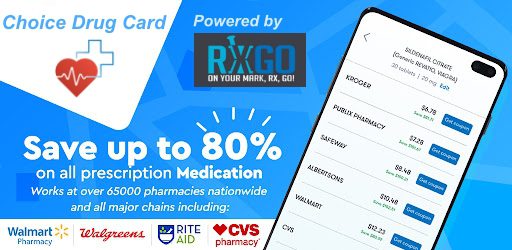
A free discount app can help you check prices before you leave home. With Choice Drug Card, the process is simple – download the phone app, search your medication price, and show the app to the pharmacist if the discount price beats what you were quoted. There is no activation, no registration, no fees, and no expiration, which matters when you need savings now, not after signing up for something.
2. Ask if a generic is available
Many common birth control pills have generic versions that cost less than brand-name products. The active ingredients are the same, but the price can be very different.
This is not always a one-size-fits-all decision. Some people do well on any equivalent generic. Others notice differences in side effects, bleeding patterns, or how they tolerate a certain formulation. If you have been stable on one product, talk with your prescriber before switching, but ask the question. A lower-cost generic may be an easy way to cut your monthly total.
3. Consider a different formulation if cost is the main issue
Birth control is not one product. It includes combination pills, progestin-only pills, patches, rings, injections, implants, IUDs, and emergency contraception. When people say birth control is expensive, they are often talking about one specific method, not every option.
If your current prescription is stretching your budget, tell your doctor or clinic directly. Say you are paying out of pocket and need the most affordable effective option. In many cases, they can recommend a lower-cost pill or another method that better fits your budget. The trade-off is that the cheapest option is not automatically the best one for your body, your schedule, or your long-term needs. A method that costs less per month but is harder for you to use consistently may not save you money in the bigger picture.
Why cash prices can be so different
A lot of people assume the pharmacy sets one standard price and that is that. In reality, retail prescription pricing is more complicated. Pharmacies can have different cash prices, different negotiated discount rates, and different pricing for brand-name versus generic medications.
That is why two people standing in line for similar prescriptions can pay very different amounts. It is also why a prescription savings app can help even if you have used that pharmacy for years. Loyalty is great, but price checking is still worth it.
4. Ask for a longer supply if it lowers your total cost
Some prescribers can write for a 90-day supply instead of 30 days for certain birth control pills. This can reduce the cost per pack and cut down on extra pharmacy trips.
It depends on your prescription, your state rules, and what the pharmacy can process. A three-month supply is not always cheaper, but often it is worth checking. If transportation, work hours, or caregiving responsibilities make frequent pharmacy visits hard, the convenience can matter almost as much as the dollar savings.
5. Check the exact medication name, strength, and quantity
Small details can change the price. If you search only a broad drug name, you may miss that one strength or package size has a better discount than another. The same goes for brand versus generic wording.
Before you compare prices, look at your prescription label or ask the pharmacy for the exact drug name, strength, and quantity. That helps you compare apples to apples. It also reduces the chance of showing up expecting one price and learning the app price was for a different version.
Save on birth control without insurance by talking about cost upfront
A lot of patients wait until the pharmacy rings up the prescription before mentioning cost. By then, your choices can feel limited. The better move is to bring up price during the appointment.
Tell your doctor, nurse practitioner, or clinic staff that you do not have insurance or that your plan is not helping enough. Ask them to prescribe with affordability in mind. Many providers are used to these conversations, and a short discussion early can save you from sticker shock later.
6. Do not assume insurance would always be better anyway
This surprises people, but insurance is not always the lowest price at the counter. High deductibles, non-covered drugs, or plan restrictions can leave insured patients paying more than a pharmacy discount price.
If you are between jobs, in a waiting period for benefits, or uninsured for now, you are not out of options. And if you do have insurance, it can still make sense to compare the cash discount price. The lower price is the one that matters.
7. Plan for refills before you run out
When birth control is already expensive, last-minute refills create extra pressure. If you are nearly out, you may not have time to compare pharmacies, ask about alternatives, or call your prescriber about a lower-cost option.
Try to check refill pricing a week or two before you need it. That gives you room to shop around and avoid paying a higher price just because you need the medication that day. It also helps prevent missed pills or delayed starts, which can create bigger problems than the refill cost itself.
A simple way to cut costs at the pharmacy counter
For many people, the easiest strategy is not complicated. Use a free phone app to compare prices, pick the pharmacy with the better deal, and show the discount to the pharmacist instead of insurance when the app price is lower.
That approach works well for recurring prescriptions because it is practical. No fees means you are not spending money to try to save money. No registration means you can use it right away. No expiration means it can stay on your phone for future refills, other prescriptions, or medications for family members.
That last part matters more than people think. If your household is juggling multiple prescriptions, every discount helps protect the budget. Birth control may be the reason you start comparing prices, but once you see how much retail prices vary, it makes sense to keep that tool handy.
When paying less may require a different choice
There are times when the lowest price is not the right answer. If a certain birth control method is working well for you, switching only for cost can have downsides. Side effects, convenience, adherence, and your health history all matter.
Still, paying more should be a conscious choice, not an accident. If you need a specific product, compare pharmacies and use a discount app. If you are flexible, ask about lower-cost generics or alternative methods. Either way, you should know your options before you pay the first price you hear.
If birth control is one of those monthly costs that keeps sneaking up on you, start with one practical step today: compare the price before your next refill. A few minutes now can make staying on your medication a lot more manageable.