If you’ve ever stood at the pharmacy counter and heard the price of an asthma inhaler, you know the problem immediately. Prescription savings for asthma inhalers matter because these are not optional medications. When the cost is too high, people stretch doses, delay refills, or leave without the inhaler they need.
That is where smart price shopping can make a real difference. Asthma treatment often depends on having the right inhaler available at the right time, whether that means a rescue inhaler for sudden symptoms or a maintenance inhaler used every day. The goal is simple – lower your out-of-pocket cost without making treatment harder to access.
Why asthma inhaler prices vary so much
Two people can walk into two different pharmacies with the same prescription and get very different prices. That feels frustrating because it is frustrating. Cash prices can change by pharmacy, location, manufacturer agreements, and whether a medication is brand name or generic.
Insurance does not always solve the problem. If you have a high deductible, a non-covered medication, or a plan that puts your inhaler on a costly tier, your insured price may still be painful. In some cases, the cash discount price is actually lower than what you would pay through insurance.
That is why it helps to check more than one path before you fill. The lowest price is not always the one you expect.
Prescription savings for asthma inhalers starts with the medication type
Not all inhalers are priced the same because not all inhalers do the same job. Rescue inhalers, such as albuterol, are often used as needed for fast relief. Maintenance inhalers, including steroid inhalers or combination inhalers, are taken on a schedule to help prevent flare-ups.
Generic options can be a major source of savings, but they are not available for every product. Even when a generic exists, your prescriber may have written for a specific brand or device. That does not mean you are stuck with the highest price, but it does mean you may need to ask whether a lower-cost equivalent is appropriate.
The device itself can affect cost too. Some inhalers use different delivery systems, and patients may do better with one than another. Saving money matters, but so does using the inhaler correctly. The cheapest option is not a bargain if it is difficult for you or your child to use as directed.
How to lower inhaler costs without delaying treatment
Start with the most practical move: compare prices before you go to the pharmacy. A free prescription savings app can show what different pharmacies may charge for the same medication. That gives you a chance to decide where to fill, instead of finding out the cost after the prescription is already processed.
For many households, this is the easiest place to save because it takes only a minute. Download the phone app, search the medication, and look at nearby prices. If the discount price beats your insurance price, show the app to the pharmacist instead of insurance.
That matters most for people who are uninsured, between plans, or dealing with a deductible that has not been met. It also helps insured patients when a medication is not covered or lands in a high-cost tier.
When insurance is not your best price
A lot of patients assume they must use insurance every time. That is not always true. If your plan copay is high or your medication is subject to the deductible, a pharmacy discount price may be lower.
There is a trade-off. If you do not use insurance, that purchase may not count toward your deductible or out-of-pocket maximum. For some people, that matters a lot. For others, especially those who need the lowest price today, immediate savings matters more.
The right choice depends on your situation. If you fill medications often and expect to meet your deductible soon, using insurance may still make sense. If you rarely meet it, or the inhaler is simply unaffordable through your plan, comparing the discount price can be the more practical move.
Questions to ask before you leave the doctor’s office
Some of the best savings happen before the prescription is sent. If your doctor knows cost is a concern, they may be able to prescribe a more affordable option from the start.
Ask whether a generic inhaler is available, whether there is a lower-cost therapeutic alternative, and whether the prescribed device is essential. If you have done well on a certain medication before, say so. If you have struggled with the price before, say that too. Most prescribers would rather adjust early than have you skip the medication later.
This is especially important for maintenance inhalers. Missing a refill because the price is too high can lead to worse control, more urgent care visits, and more stress than the original prescription was meant to prevent.
What to check at the pharmacy counter
Even after you compare prices, it helps to confirm the details at pickup. Make sure the pharmacy is filling the exact medication and quantity you priced. Small differences in strength, package size, or manufacturer can affect the total.
If the price looks wrong, ask the pharmacist to recheck whether the discount was applied. It is a simple question, and it can save you from paying more than expected. If your insurance was run automatically, you can ask them to compare that price with the discount price.
A good pharmacy team is used to these questions. You are not creating a problem by asking what costs less.
Using a savings app for prescription savings for asthma inhalers
A discount program works best when it is easy enough to use every time. That is why a phone app is often more practical than paper coupons or one-off searches. You can check prices while you are at home, in the doctor’s office, or standing in line at the pharmacy.
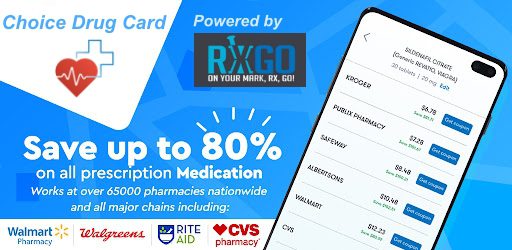
With Choice Drug Card, the process is built for speed: download the phone app, search medication prices, and show it to the pharmacist if it gives you a better deal. There is no activation required, no registration, no fees, and no expiration. For families managing asthma for more than one person, that simplicity matters.
Privacy matters too. Some consumers want savings without having to hand over personal information just to see a price. A tool that stays easy to use and keeps the process straightforward is more likely to become part of your routine.
Who benefits most from inhaler discount pricing
The obvious group is uninsured patients, but they are not the only ones. People in job transitions, waiting periods for new coverage, or temporary gaps often need immediate help with refill costs. So do insured patients with high deductibles or inhalers that fall outside the formulary.
Caregivers also benefit because asthma costs can stack up fast across a household. A parent filling a rescue inhaler for one child and a maintenance inhaler for another needs a repeatable way to compare prices without extra paperwork. Seniors on fixed incomes can benefit for the same reason – they need predictable, usable savings, not a complicated enrollment process.
The savings strategy that usually works best
The most reliable approach is not chasing a miracle program. It is comparing prices each time, asking the prescriber about lower-cost options when medically appropriate, and being willing to use a pharmacy discount instead of insurance when the math works in your favor.
That may sound simple, but simple is useful. Asthma is hard enough without adding avoidable cost surprises to every refill. If your inhaler price has been pushing you to wait, ration, or settle for less than your prescribed treatment, the better move is to check your options before your next pharmacy trip. A few seconds of price checking can protect both your budget and your breathing.