You go to pick up a prescription and hear the words nobody wants: “Your insurance doesn’t cover it.” Then comes the follow-up gut punch – the price.
If you’ve ever wondered why a non formulary drug cheaper cash price is even possible, you’re not imagining things. In the US, the “insured” price and the “cash” price can be totally different numbers, and the cheaper option depends on the drug, the pharmacy, and how your plan is set up.
This guide explains why it happens, when paying cash can actually beat using insurance, and how to check your options quickly – without turning your pickup line into a full-time job.
What “non-formulary” actually means at the counter
A drug is “non-formulary” when your insurance plan doesn’t include it on its covered medication list (the formulary). That doesn’t always mean the medication is unusual or unnecessary. It can simply mean your plan prefers a different brand, a different dosage form, or a similar medication in the same class.
At the pharmacy, non-formulary typically shows up in one of three ways: it’s not covered at all, it’s covered only after prior authorization, or it’s covered but at a much higher tier with a bigger copay or coinsurance. In all three cases, your out-of-pocket cost can jump fast.
The surprise for many people is that “not covered” doesn’t automatically mean “highest possible price.” Sometimes the insurance-processed price is worse than a straight cash transaction or a discount price.
Why a non formulary drug cheaper cash price happens
Prescription pricing is not one tidy system. It’s a patchwork of contracts and rules that can produce weird results – including a non-formulary medication being cheaper when you skip insurance.
1) Insurance pricing is built for coverage rules, not lowest price
When you run a claim through insurance, you’re not simply asking, “What’s the lowest price today?” You’re running it through your plan’s structure: formulary status, deductibles, tiers, restrictions, and contracted rates.
If the drug is non-formulary, the plan may apply a penalty price, deny coverage, or push you into a process (like prior authorization) that doesn’t help you today at the counter.
2) Cash pricing can be based on different contracted rates
Many pharmacies can process a prescription as cash and still apply a discounted rate through a savings program. That rate can be negotiated separately from your insurance plan’s pricing.
That’s why the “cash” price you see might not be the sticker price you imagine. It may be a discounted cash rate that’s simply outside your insurance lane.
3) Deductibles make “covered” feel like “not covered”
A common scenario: you have insurance, but you’re early in the year and haven’t met your deductible. Even for covered meds, you may pay close to full price until the deductible is met.
When the drug is non-formulary on top of that, the insurance route may deliver no benefit at all – while a cash discount option may be immediately lower.
4) The same drug can have wildly different prices by pharmacy
Pharmacy pricing varies more than most people expect. Two pharmacies across the street from each other can produce two very different cash prices for the same medication, strength, and quantity.
Insurance can reduce that variation, but it doesn’t eliminate it – and with non-formulary drugs, you’re often exposed to the variation again.
When paying cash is most likely to win
Paying cash doesn’t always beat insurance. But these are the situations where it often does – and it’s worth checking.
If your doctor prescribed a brand-name medication with no generic available (or the generic isn’t appropriate for you), and it’s non-formulary, insurance can leave you with a high out-of-pocket bill. Cash discounts sometimes bring that down.
If you’re in a high-deductible plan and your deductible is far from met, you may be paying a “full” price anyway. In that case, comparing the insurance price to a discount cash price is one of the fastest ways to find immediate relief.
If you’re between jobs, newly uninsured, waiting for coverage to start, or dealing with a plan change, cash pricing can be the most predictable option while you sort out benefits.
And if the medication is for a short-term need (an antibiotic, an inhaler refill to bridge a gap, a one-month supply while paperwork is pending), speed matters. A lower cash price today can keep treatment from getting delayed.
Trade-offs to think about before you skip insurance
This is where “it depends” matters. A lower cash price can be the right move, but you should know what you’re giving up.
First, paying cash usually does not count toward your deductible or out-of-pocket maximum. If you’re close to meeting your deductible, it may be smarter long-term to process through insurance – even if the short-term price is higher.
Second, some plans have rules that affect future coverage. For example, if a medication requires prior authorization, your doctor may still want to complete that process for ongoing use.
Third, if your medication is expensive and you expect to be on it long-term, it’s worth looking at all lanes: alternative covered options, an exception request, manufacturer assistance (if you qualify), and cash discounts. The best answer can change over time.
How to compare prices quickly (without pharmacy ping-pong)
You don’t need a perfect understanding of pharmacy contracts to shop smart. You need a simple routine.
Step 1: Ask the pharmacy for the insurance-processed price
If you have insurance, let them run it. Then ask one direct question: “What is my price with insurance today?”
If it’s denied as non-formulary, ask what the rejection says. “Non-formulary” and “prior authorization required” lead to different next steps.
Step 2: Ask for the cash price for the same prescription
Same drug name, same strength, same quantity, same dosage form. Cash comparisons only work when the prescription details match.
If the pharmacy gives you a very high cash price, don’t assume that’s the best available. Many people stop here and overpay.
Step 3: Check a prescription discount price on your phone
This is often the fastest way to see whether you can beat the cash price you were just quoted. A savings app can show you what you might pay at different pharmacies nearby, which is especially useful when your insurance isn’t helping.
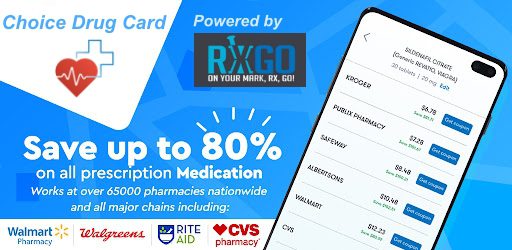
Choice Drug Card is one option people use for this – it’s a free phone app (no activation, no registration, no fees, and it doesn’t collect private user information) that you can use at many pharmacies nationwide. You can learn more at https://choicedrugcard.com.
Step 4: Bring your best option to the counter
If the discount price is lower than your insurance price, tell the pharmacy you want to use the discount instead of insurance for this fill.
If your insurance price is lower, use insurance.
And if you’re not sure which one the pharmacy actually ran, ask them to confirm which method they used before you pay.
Common reasons you might see different prices for the “same” drug
People sometimes compare two prices and think the pharmacy made a mistake. Often it’s a detail difference.
Quantity is a big one. A 30-day supply vs. a 90-day supply can change the per-pill cost. So can “as needed” directions that lead to a different dispensed count.
Dosage form matters too. Tablets vs. capsules, immediate-release vs. extended-release, brand vs. authorized generic – these can look similar in conversation but price very differently.
Finally, pharmacies can be out of stock and offer a different manufacturer or NDC (drug code). It’s still the “same medication” medically, but pricing systems can treat it differently.
What to do if you need the non-formulary drug long-term
If the medication is clearly working for you and your doctor wants you to stay on it, don’t settle for one frustrating pickup experience every month.
Talk to your prescriber about whether there’s a therapeutically similar option on your plan’s formulary. Sometimes a small change (a different strength, a different delivery device, a different drug in the same class) flips coverage on.
If switching isn’t appropriate, ask the prescriber’s office about prior authorization or a formulary exception. This can take time, but it can also turn a “not covered” drug into a covered one – especially when there’s a strong medical reason.
While that process is happening, many people use a lower cash price to keep treatment going. The goal is not to “win” against insurance. It’s to avoid skipped doses, rationing, or walking away from the pharmacy empty-handed.
A quick reality check: “Cheaper cash” is not a loophole – it’s a comparison tool
It’s tempting to think there’s one secret trick that always makes prescriptions affordable. The truth is less dramatic and more practical: you compare.
Sometimes insurance is the best deal. Sometimes a discount cash price is better. Sometimes a different pharmacy changes everything. And sometimes the best move is to have your doctor adjust the prescription so you’re not fighting your plan every month.
If you remember one thing, make it this: you’re allowed to ask what it costs both ways. That single question can turn a “non-formulary” moment from a dead end into a decision you control.
When a medication is non-formulary, the stress tends to hit fast – and so does the pressure to pay whatever number shows up first. Take the extra minute to compare your options. That minute can be the difference between delaying care and getting back on track today.