A new job can be good news until you realize the health plan does not start for 30, 60, or 90 days. Meanwhile, a refill is due. Finding discount prescriptions during an insurance gap can help you keep treatment on track without taking on an unexpected full-price pharmacy bill.
A coverage gap does not mean your medication has to become unaffordable. The practical move is to check your options before the pharmacist rings up the prescription. A prescription discount phone app can show a discounted cash price at nearby pharmacies, giving you a price to use when insurance is not active or is not the best deal.
Why insurance gaps create expensive refill problems
Insurance gaps happen for ordinary reasons. You may be between jobs, waiting for benefits to begin, aging out of a family plan, changing plans after a move, or dealing with a lapse in enrollment. Even people with new coverage on the way can face several weeks without prescription benefits.
The problem is that most prescriptions cannot wait. Blood pressure medication, diabetes supplies, thyroid treatment, inhalers, antibiotics, and mental health medications are not expenses most families can simply postpone. Skipping doses or stretching medication to make it last can create bigger health and financial problems later.
Retail cash prices can vary widely, even for the same medication and the same dosage. One pharmacy may charge far more than another only a few miles away. That is why the price on a previous receipt is not always the price you should expect during a gap in coverage.
How to get discount prescriptions during an insurance gap
Start by checking the exact prescription details: medication name, strength, quantity, and whether the prescription is a tablet, capsule, cream, inhaler, or liquid. Small differences can change the price. If your prescription is written for a 30-day supply, ask your prescriber whether a 90-day supply is medically appropriate and allowed. The lower per-dose price can sometimes make a longer supply the better choice, but only if you can afford the total cost today.
Then use a prescription discount phone app to search the medication and compare prices at local pharmacies. Do this before heading to the counter when possible. The goal is not to guess which pharmacy is cheapest. It is to see the available discounted prices and choose the option that works for your budget and location.
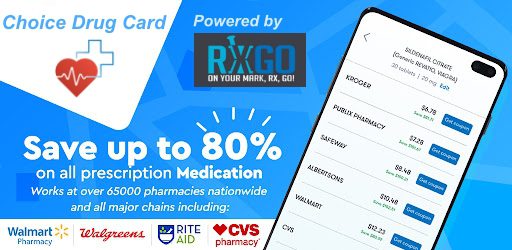
With Choice Drug Card, the process is simple:
- Download the free phone app.
- Search your prescription and compare pharmacy prices.
- Show the app to the pharmacist and use the discount when it offers the lower price.
There is no activation required, no registration, no fees, and no expiration. The app is designed for the moment you need it, whether your insurance starts next month or you are managing an ongoing high deductible.
Ask the pharmacist to compare the price before you pay
When you arrive at the pharmacy, be direct: ask the pharmacist to compare the prescription discount price with the regular cash price. If you have insurance that is technically active but has a high deductible, ask them to compare that price, too.
You generally cannot combine a prescription discount with your insurance on the same purchase. It is usually one option or the other. That is not necessarily a drawback. If the discount price is lower than your insurance price, you can choose to use the discount instead.
There is one trade-off to understand. A prescription purchased outside your insurance plan may not automatically count toward your deductible or out-of-pocket maximum. For a short coverage gap or a lower-cost refill, the immediate savings may be worth it. For an expensive ongoing medication when you expect to meet your deductible soon, it may make more sense to ask your insurer whether you can submit a receipt for possible reimbursement. Policies differ, so do not assume.
Use the prescription details your doctor already gave you
A discount program does not replace a prescription or medical advice. You still need a valid prescription from a licensed prescriber, and your pharmacist remains an important source of medication guidance.
If the price is still too high, call the prescriber’s office before you leave without your medication. Ask whether there is a therapeutically appropriate generic version, a different strength, or an alternative medication with a lower cash price. Do not switch medications, split pills, or change how you take a drug without professional direction.
Generic medications are often less expensive, but not always. A brand-name medication may occasionally have a better discounted price at a specific pharmacy. Compare the exact drug your prescriber ordered rather than assuming generic is automatically the lowest option.
For medicines you take regularly, it also helps to plan one refill ahead. Put a reminder on your calendar when coverage ends and again a week before the next refill is due. That gives you time to compare prices, request a renewal, or discuss alternatives without the pressure of running out tomorrow.
Do not let a coverage gap lead to skipped doses
The most costly decision can be doing nothing because the pharmacy price feels out of reach. People often leave a prescription behind, intend to return later, and then go days or weeks without treatment. It is understandable, but it can be risky.
Instead, pause and price shop. Check nearby pharmacies. Ask whether the prescription can be filled as a generic if your prescriber approves. See whether a different quantity makes financial sense. For an acute medication such as an antibiotic, speed matters, so compare locations that can fill it promptly. For a maintenance medication, the best option may be a pharmacy with a lower price even if it is not your usual location.
If you are helping a parent, spouse, adult child, or another family member, make price comparison part of the refill routine. A phone app is easier to keep available than a paper card, especially when someone needs to pick up medication quickly. Choice Drug Card is accepted at more than 70,000 pharmacies nationwide, which can be useful when a family member is traveling, moving, or filling a prescription away from home.
Coverage gaps are not limited to uninsured people
Prescription savings are useful in more situations than a job transition. A waiting period is only one kind of gap. Your plan may exclude a medication, require a deductible you have not met, or cover a drug at a price that is higher than a discount cash option.
This is why it is smart to compare every time a medication feels expensive. Insurance is valuable, but it does not guarantee the lowest out-of-pocket price for every prescription. The best choice depends on your medication, pharmacy, plan rules, deductible status, and the price available that day.
Privacy matters here, too. You should not have to hand over unnecessary personal details just to look for a better prescription price. A simple discount app gives you a practical option without turning an urgent refill into a complicated enrollment process.
Keep a plan for the next refill
When a new insurance plan begins, bring your insurance information to the pharmacy and ask them to update your profile. Then continue comparing prices when a prescription is costly. You may find insurance is the better value most of the time, while a discount price helps with a non-covered drug, a high-deductible refill, or a medication with an unexpectedly high copay.
A short insurance gap can feel like a deadline, especially when medication is involved. Treat it as a price-check moment instead. Download the app, search the prescription, show the lower price to the pharmacist, and keep your refill from becoming the bill that forces you to wait.