Some months, the pharmacy counter turns into a math problem you did not ask for. The price is higher than last time. Your plan says the deductible is not met yet. A medication is “not covered.” And now you are deciding whether to delay a refill.
That is exactly the moment a prescription discount app can help – especially for seniors managing several medications, fixed incomes, and surprise price swings.
What a prescription discount app for seniors actually does
A prescription discount app is not insurance. It is a way to access pre-negotiated cash prices at participating pharmacies. You look up your medication in the app, see prices at nearby pharmacies, and then show the discount to the pharmacist. If the discount price is lower than what you would pay another way, you use it.
For seniors, the appeal is simple: you can price check in minutes without phone calls, without waiting on hold, and without guessing which pharmacy is cheapest.
It can also help in common situations that catch older adults off guard, like switching plans, traveling to see family, or starting a new medication that lands on a higher tier.
Why seniors feel the squeeze at the pharmacy
Even with Medicare or other coverage, out-of-pocket costs can be unpredictable. A few issues show up again and again.
A deductible can mean you pay the full negotiated price early in the year. Formularies change, and a drug that was affordable last year may cost more this year. Some prescriptions need prior authorization, and the cash price might be the only immediate option while paperwork moves.
Then there are medications that are not covered, or are covered but only at certain pharmacies. And if you take multiple drugs, small increases add up fast.
A discount app is not a cure-all, but it gives you another option right when you need it: a different price at the point of sale.
When a discount app can beat insurance (yes, even for seniors)
This surprises people, but it happens all the time. Insurance is one price. A discount program is another. The lower one wins.
A prescription discount app can be especially useful when you have a high deductible, when your plan puts a medication on a higher tier, or when a medication is excluded from coverage. It can also help when you are paying cash for a family member or managing a refill for a spouse.
One important trade-off: if you use a discount instead of your insurance, the purchase typically does not apply toward your deductible or out-of-pocket maximum. Sometimes it is still worth it because the immediate price is lower. Other times, especially early in the year, you may decide you would rather have the cost count toward your deductible. It depends on the medication price, your plan design, and how close you are to meeting that deductible.
How to use a prescription discount app at the pharmacy
The best apps are built for real life – the kind where you want the answer quickly and you do not want to fill out forms.
In most cases, the flow is straightforward. You download the app, search your medication and dose, choose a nearby pharmacy based on the best price, then show the discount to the pharmacist when you check out.
If you are used to handing over your insurance card automatically, it is okay to pause and ask a simple question: “Can you run this discount and tell me which price is lower?” Many pharmacies can compare.
If the pharmacist tells you the insurance price is better, you can use insurance. If the discount price is better, you can use the discount. The goal is not loyalty to one method. The goal is paying less.
What to look for in a prescription discount app for seniors
Not all discount apps feel senior-friendly. Some are cluttered. Some push sign-ups. Some are hard to read. You want something that helps you save without adding hassle.
Here are the features that matter most when you are choosing a prescription discount app for seniors.
Clear pharmacy acceptance nationwide
An app is only useful if it works where you fill prescriptions. Look for broad acceptance across major chains and local pharmacies, so you are not stuck driving across town for a deal.
Fast price search that matches real prescriptions
Medication pricing depends on the exact drug, strength, quantity, and form (tablet, capsule, cream, inhaler). A good app makes it easy to select the right details so the prices you see are actually usable.
No fees and no “membership” pressure
You should not have to pay to access a discount. Seniors are already juggling enough bills. A free tool should be truly free.
No registration if you do not want it
Many seniors are careful about sharing personal information – for good reason. If you can use an app without creating an account, that is one less barrier and one less privacy concern.
Easy to show at the counter
At checkout, you want something simple: a screen the pharmacist can use right away. No hunting through emails. No printing. No waiting for a text message code.
Plain-language support
If an app uses confusing jargon, you will hesitate to use it. Look for instructions that sound like a helpful person, not a technical manual.
Privacy: the question seniors and caregivers should ask
Medication information is personal. Seniors should feel comfortable asking: “Do I have to provide private information to use this?”
Some discount programs require profiles, email addresses, or ongoing logins. Others are designed to work without collecting personal details.
If privacy is a priority for you, choose an app that works without registration and does not ask for unnecessary information. For many people, that peace of mind is just as valuable as the savings.
Getting the best price: a practical approach that works
Medication prices can vary a lot by pharmacy, even in the same zip code. The easiest way to shop smart is to compare prices before you go.
Try checking prices at two or three nearby pharmacies. If the best price is at a place you already use, that is a win. If the best price is elsewhere, you can decide whether the savings are worth the extra trip.
Also pay attention to quantity. A 30-day supply may price differently than a 90-day supply. Sometimes the 90-day price is better. Sometimes it is not. The only way to know is to check.
If your doctor is open to it, you can also ask whether a therapeutic alternative or a different formulation exists. That is not about cutting corners. It is about finding a medication that fits your health needs and your budget.
Common questions seniors have at the counter
A lot of people worry they will “mess something up” by asking the pharmacy to run a discount.
You will not. Pharmacies handle this every day.
You can simply say you want to compare prices. If you are picking up for a spouse or parent, you can still ask the pharmacist to try the discount option. If the prescription is already processed through insurance, the pharmacy can often re-run it. If they cannot, ask what they need you to do next time so you can compare up front.
If you are using Medicare Part D, you may want to know whether using a discount affects your plan records. Typically, purchases made outside insurance do not count toward Part D tracking the same way. That can matter if you are expecting to hit a certain out-of-pocket threshold. If you are unsure, it is reasonable to call your plan and ask how cash purchases are handled.
A simple option that matches what seniors ask for
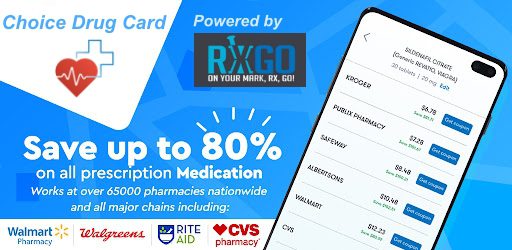
If what you want is a free, easy prescription discount phone app that you can use right away at pharmacies nationwide, Choice Drug Card is built for that. It is app-only (no physical cards), designed to be frictionless (no activation, no registration, no fees, and no expiration), and it is privacy-forward by not collecting private user information. You search prices in the app, then show it to the pharmacist when it beats your insurance price.
The real goal: fewer skipped refills
Seniors should not have to choose between medication and groceries, or stretch pills to make them last. If a discount app helps you pick up the prescription on time, that is not just “saving money.” That is protecting your health.
A helpful habit is to treat your prescription discount app like a flashlight in the glove compartment. You may not need it for every fill, but when prices jump or coverage gets complicated, you will be glad it is there – ready to use, no extra steps, no runaround.