Generic drugs are supposed to be the affordable option. Then you get to the pharmacy counter and the price still feels wrong.
That happens more often than people expect. A generic medication can cost one amount at one pharmacy, a much higher amount across town, and something different again depending on whether you use insurance, pay cash, or use a discount app. If you’re trying to get discount on generic prescriptions, the good news is simple: you usually have more control than it seems.
How to get discount on generic prescriptions
The fastest way to lower your cost is to treat your prescription like any other purchase. Compare prices before you pay, check whether your insurance copay is actually the best price, and use a free prescription savings app when the cash discount is lower.
That last part matters. Many people assume insurance always wins. It doesn’t. If you have a high deductible, a non-covered medication, or a plan with an unexpectedly high copay, a discount price can come in lower at the register.
A practical approach looks like this: download a prescription savings phone app, search your medication and dose, compare nearby pharmacy prices, and show the app to the pharmacist if the discount beats your insurance price. No paperwork, no waiting period, and no need to sign up for a paid program.
Why generic prices can still vary so much
People are often surprised that a generic drug has no single standard price. Pharmacies buy medications at different rates, set different cash prices, and work with different pricing contracts. That’s why the same generic can cost far less at one chain or independent pharmacy than another.
Insurance adds another layer. Your copay may be fixed by your plan, but that does not mean it reflects the lowest available retail price. If a drug is in a higher tier, falls under your deductible, or is excluded from your formulary, your out-of-pocket cost can stay high even when a discount price is available.
This is also why asking the pharmacist, “Can you check the cash discount price?” is worth doing. You are not gaming the system. You are comparing legitimate ways to pay.
When a discount app often beats insurance
If you’re uninsured, the benefit is obvious. But insured patients use prescription savings apps every day too.
High deductibles are a common reason. If you have not met your deductible, you may be paying close to full price anyway. A discount app can reduce that price on the spot. The same goes for medications your plan does not cover or treats as non-preferred.
There are also situations where the generic itself is cheap, but your copay is oddly high. In that case, it makes sense to compare both options before handing over your insurance card. You can use whichever price is lower for that fill.
One trade-off to understand is that when you choose the discount price instead of insurance, that purchase may not count toward your deductible. For some people, the immediate savings matter more. For others, especially if they expect major medical expenses later in the year, it depends.
A simple way to save at the pharmacy counter
You do not need to become an expert in pharmacy pricing to cut costs. You just need a repeatable process.
Step 1: Search the exact medication
Look up the drug name, dosage, and quantity. A 30-day supply and a 90-day supply can price very differently. So can one tablet strength versus another. Small details matter.
If your doctor is flexible, you can also ask whether a different quantity or equivalent generic option would lower the cost. Sometimes the savings come from the way the prescription is written, not just where you fill it.
Step 2: Compare nearby pharmacies
Do not assume your usual pharmacy has the best price. Convenience matters, but so does affordability, especially for maintenance medications you fill every month.
This is where a phone app is useful. Instead of calling multiple stores, you can check prices nearby and make a decision quickly. A price difference of even $10 or $20 per fill adds up fast over a year.
Step 3: Show the app to the pharmacist
Once you find the lower price, present the app at the counter and ask the pharmacist to process the prescription using that discount instead of insurance. It is a straightforward transaction.
That simplicity matters for people picking up medication while managing work, kids, caregiving, or a new diagnosis. Saving money should not require forms, activation steps, or handing over personal information.
The easiest way to get discount on generic prescriptions regularly
The key word is regularly. One-time savings help, but most people need a method they can reuse every month without thinking too hard about it.
A free phone app works well because it stays with you. You can check prices while you’re at the doctor’s office, in the pharmacy line, or when a family member needs a new prescription. If there is no fee, no registration, no activation, and no expiration, there is very little friction.
That matters for families, seniors, and caregivers. The easier the tool is to use, the more likely it is to help before a prescription gets delayed or left at the counter because the price came as a surprise.
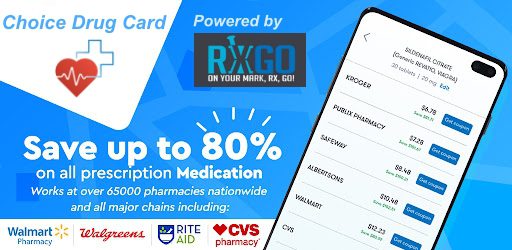
Choice Drug Card follows that model through a free phone app people can use at pharmacies nationwide. You search the medication, compare the price, and show the app if it saves you money. That’s it.
Who benefits most from prescription discounts
The short answer is more people than you might think.
Uninsured patients often see the biggest immediate relief because they are paying full cash prices without a negotiated rate. But people between jobs, waiting for benefits to begin, or dealing with temporary coverage gaps can benefit just as much.
Insured consumers are another major group. If you have a high deductible plan, if your medication is not covered, or if the copay is higher than expected, discounts can still make a real difference. This is especially true for common generic medications used for blood pressure, cholesterol, diabetes, thyroid conditions, allergies, and mental health treatment.
Caregivers and adult children helping parents with prescriptions also benefit from having one easy tool they can use again and again. So do pet owners, since many veterinary prescriptions use medications filled at retail pharmacies.
What to watch for when comparing discount options
Not every savings tool is equally easy to use. Some programs ask for registration, some involve printed cards, and some may create confusion at the counter.
Look for a few basics. It should be free. It should work at a large network of pharmacies. It should be ready to use right away. It should not require activation. And if privacy matters to you, choose a program that does not ask for unnecessary personal information.
Also remember that prices can change. A pharmacy that is cheapest for one medication may not be cheapest for another. The smart move is to compare each time a prescription changes, especially if the dose, quantity, or pharmacy changes too.
One small habit that can lower monthly costs
Most people do not need a dramatic overhaul to spend less on medication. They need one better habit: check the price before pickup.
That single step can prevent sticker shock, reduce the chance of skipped doses, and help you stay on track with treatment. And when the lower price is available instantly through a phone app, there is less reason to wait, postpone, or leave a prescription unfilled.
If your generic prescription still feels too expensive, trust that instinct. Compare the price, ask questions, and use the lower option available to you. Paying less at the pharmacy is not a special trick. It is a practical step that helps you keep care within reach.