If you have ever stood at the pharmacy counter and heard a price that made you pause, the question of rx savings phone app vs GoodRx gets real fast. This is not about brand loyalty. It is about what lowers your out-of-pocket cost today, with the least hassle, at the pharmacy you already use.
For many people, prescription discount tools fill a gap that insurance does not always cover well. That includes uninsured patients, people between plans, families with high deductibles, and even insured customers who find that the cash discount price beats their copay. The right app can help you avoid delaying treatment, splitting pills, or walking away without the medication you need.
Rx savings phone app vs GoodRx: what are you really comparing?
At a basic level, both options help you look up prescription prices and present a discount at participating pharmacies. That part sounds simple, and it is. The differences show up in the details: how quickly you can use it, how much personal information you need to hand over, whether the price is competitive at your pharmacy, and how easy it is to use again for another family member or pet.
That is why a straight comparison matters. A discount tool is only useful if it works when you need it most – while you are sick, stressed, or trying to help someone else pick up medication.
The first thing most people care about: the price
Let’s start where shoppers usually start. Price.
GoodRx is widely known because it publishes prescription prices across many pharmacies and has trained consumers to compare. That visibility is useful. If you are comfortable checking several stores and coupons, it can help you spot a lower price.
A prescription savings phone app can do the same core job: help you search medication pricing and show a ready-to-use discount at the counter. Where the better choice depends on your situation is the actual price returned for your drug, dose, and pharmacy. There is no honest way to say one option is always cheaper on every medication in every ZIP code. Prices move, pharmacy contracts differ, and savings can vary by location.
So the practical answer is this: compare the medication you need at the pharmacy you want to use. That is the only comparison that counts.
If you are filling a maintenance medication every month, even a small price difference adds up quickly. If you are picking up a one-time antibiotic, convenience may matter more than chasing a few extra dollars across town.
Convenience matters more than people think
The best discount app is often the one you can use immediately.
Some shoppers do not mind creating accounts, managing logins, or dealing with promotional upsells. Others want a tool that is there when they need it, with no activation, no extra steps, and no learning curve. That matters for seniors, caregivers, busy parents, and anyone trying to fill a prescription while not feeling their best.
A frictionless rx savings phone app has a real advantage here. Download it, search the medication, show the price to the pharmacist, and save. No waiting period. No card to keep track of. No need to remember whether you signed up months ago.
That kind of simplicity is not just nice to have. It reduces the chance that someone gives up and pays more than they should.
Privacy is a bigger factor in rx savings phone app vs GoodRx
Many people do not think about privacy until after they have handed over data.
When you compare rx savings phone app vs GoodRx, it is worth asking a few simple questions. Do you need to register? Is private information collected? Can you use the discount without creating a profile tied to your medication searches?
For some consumers, this may not be a deciding factor. For others, it absolutely is. If you are searching medications related to chronic illness, mental health, or other sensitive conditions, the idea of using a privacy-forward app with no registration requirement can feel a lot better.
That is one area where a simpler model stands out. If an app lets you access savings without fees, activation, or data-heavy onboarding, it removes a layer of concern that many people now have about health-related services.
Pharmacy acceptance can make or break the experience
A great-looking price is useless if your pharmacy does not accept the discount.
GoodRx has broad recognition, which can make consumers feel confident walking up to the counter. But broad acceptance is not unique to one company. What matters is whether the discount app works across major chains and local pharmacies in your area.
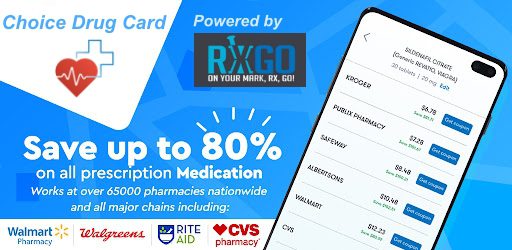
A phone app with acceptance at more than 70,000 pharmacies nationwide gives consumers practical flexibility. That is especially useful for families who fill prescriptions in more than one place, seniors who may change pharmacies based on convenience, and travelers who need a refill away from home.
If you live in a rural area or rely on an independent pharmacy, checking coverage before you need the medication is smart. If you usually use a national chain, chances are good you will have multiple discount options available.
Insurance is not always the cheapest route
This surprises people all the time.
You can have insurance and still pay more than the discount price. That happens when a drug has a high deductible, is not covered, falls into an expensive tier, or carries a copay that beats your budget but not the cash discount market.
That is where a savings app becomes useful as an everyday backup. Instead of assuming insurance is best, you compare both. If the app price is lower, you show the discount instead of insurance.
This matters for common generics, but it can matter for brand medications too. There is no one-rule-fits-all answer. The lowest price is the one worth using.
Who benefits most from a prescription savings phone app?
The obvious group is uninsured consumers, but they are not the only ones.
People between jobs, waiting for new coverage to start, or dealing with plan changes often need immediate help. So do insured households with high deductibles early in the year. Caregivers benefit because they may be managing multiple prescriptions for parents, children, or spouses and need one simple tool that works repeatedly. Pet owners can benefit too, since many human pharmacies fill certain veterinary prescriptions.
This is where a phone-first model helps. You are not relying on a paper card, mailer, or account details buried in your inbox. The tool is already with you.
What to look for besides the headline discount
The phrase “up to 80% savings” gets attention, but smart shoppers should look beyond the biggest possible number.
The real questions are whether the app shows the price clearly, whether you can use it right away, whether it works at your pharmacy, and whether it stays free. Never-expires access, no fees, and no activation required are meaningful because they remove the usual friction points.
A lot of prescription savings frustration comes from hidden catches: needing to enroll, remembering credentials, finding out a deal is limited, or discovering the coupon is not accepted where you fill. The more direct the process, the more likely people are to actually use it.
So which should you use?
If you like comparing multiple published prices and already use GoodRx comfortably, it can remain a useful option. If your main goal is a fast, private, no-registration way to pull up a discount and show it at the pharmacy, a dedicated prescription savings phone app may be the better fit.
For many shoppers, the smartest move is not picking one forever. It is checking the medication you need and using the lower price with the least hassle. That is the consumer-first answer.
For people who want a straightforward tool built around immediate savings, Choice Drug Card follows a simple path: download the phone app, search your medication price, show it to the pharmacist, and save. No activation required. No fees. No expiration.
When prescription costs are already stressful, your discount option should reduce friction, not add to it. The best app is the one that helps you say yes to the medication you need without overpaying for it.